08 Jul Can a Cracked Tooth Heal Itself? What Tulsa Patients Should Know
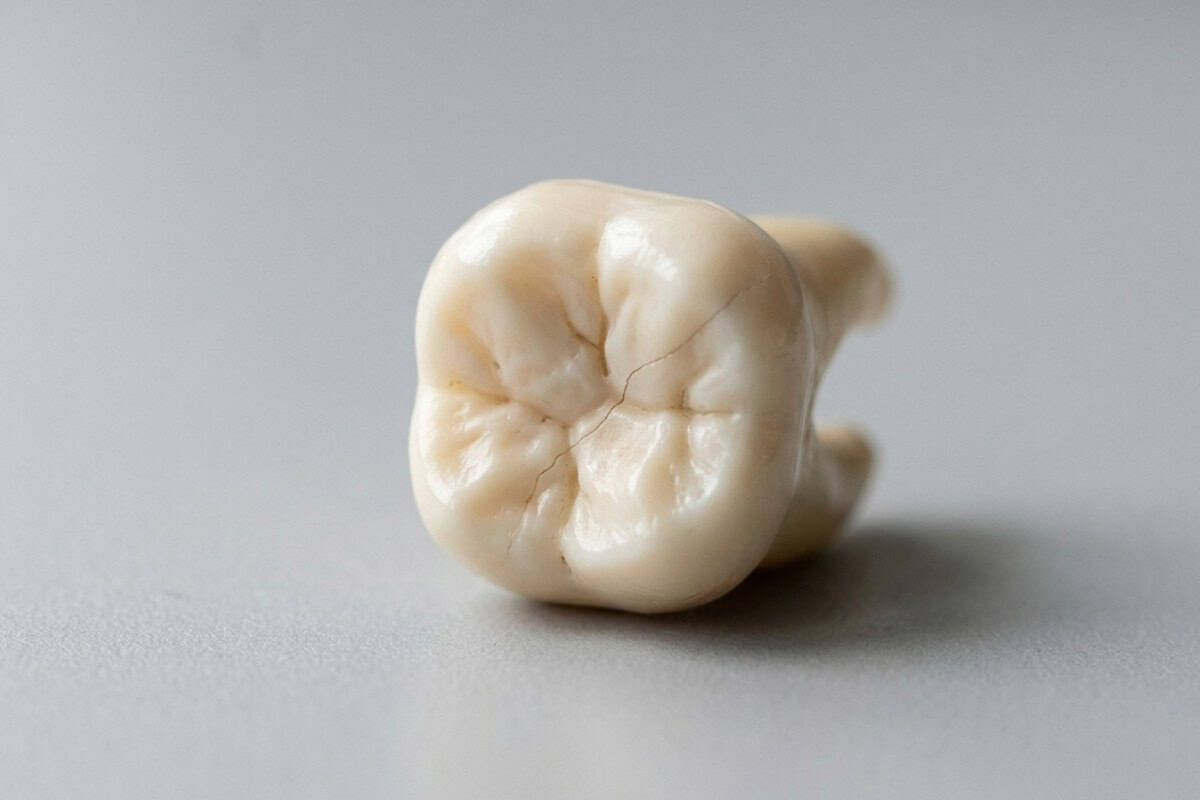
If you have ever wondered whether a cracked tooth can heal itself, the honest answer is that it cannot, and understanding why matters for anyone protecting a smile here in South Tulsa. Teeth are remarkably strong, yet they lack the biology to knit themselves back together the way a broken bone can. Once a crack forms, the tooth needs help from a dental professional to keep the damage from spreading.
That does not mean every crack is an instant crisis. Some are tiny and easy to monitor, while others threaten the nerve inside the tooth. The trick is knowing the difference, recognizing the warning signs early, and acting before a small line becomes a bigger, more expensive problem for you and your family in Tulsa.
Why a Cracked Tooth Cannot Heal Itself
The outer layer of every tooth is enamel, the hardest substance in the human body. Unlike skin or bone, enamel contains no living cells and no blood supply, so it has no way to regenerate once it is fractured. When the surface cracks, the split stays put and often widens under the pressure of daily chewing.
Beneath the enamel sits dentin and then the pulp, where the nerves and blood vessels live. A crack that reaches the pulp can let bacteria seep inside, which may lead to infection, sensitivity, and eventually an abscess. Because the body cannot seal the opening on its own, professional treatment is the only reliable way to protect the inner tooth.
Signs Your Cracked Tooth Needs Attention
Cracks do not always announce themselves with obvious pain, which is part of what makes them tricky. Many patients notice a sharp twinge when biting down that fades quickly, or sudden sensitivity to hot, cold, or sweet foods. Others feel discomfort that comes and goes without a clear pattern.
Because the symptoms can be subtle, it helps to know what to watch for. If any of the following sound familiar, it is worth scheduling an exam rather than waiting and hoping.
- Pain when you bite or chew that disappears when you release pressure.
- Lingering sensitivity to temperature or sweets in one specific tooth.
- Swelling in the gum around a single tooth.
- A rough or catching feeling when your tongue passes over the tooth.
- Discomfort that seems to move around and is hard to pinpoint.
How Dentists Treat a Cracked Tooth
Treatment depends entirely on the size and location of the crack. A minor surface crack, sometimes called a craze line, may need nothing more than monitoring during routine checkups. Larger cracks call for restorations that hold the tooth together and seal out bacteria.
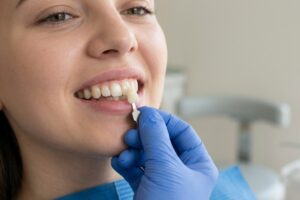
For moderate damage, a filling or dental bonding can close the crack, while a dental crown caps the tooth to distribute biting forces and prevent the split from deepening. If the cracked tooth has reached the pulp, a root canal performed by a dentist or one of the endodontists who specialize in these procedures can remove the infected tissue before a crown is placed. When a crack extends below the gum line, however, the tooth may not be savable and extraction becomes the safest path.
What Happens If You Wait Too Long
A cracked tooth rarely improves on its own, and ignoring it usually makes matters worse. Chewing pressure works the crack deeper over time, giving bacteria more room to reach the nerve. What might have been solved with a simple restoration can turn into an infection that requires a root canal or even removal.
This is why the American Dental Association treats a painful cracked tooth as a dental emergency. Rinsing with warm water, applying a cold compress to reduce swelling, and calling your dentist promptly all help protect the tooth. The sooner a professional evaluates the crack, the more options you will have to keep your natural tooth. You can find more prevention tips on our blog as well.
Everyday Habits That Protect Your Teeth
While you cannot make a crack heal, you can lower your risk of new ones. Nighttime clenching and grinding put enormous stress on enamel, so a custom night guard is one of the smartest investments for anyone who grinds. Avoiding hard foods like ice, unpopped popcorn kernels, and hard candy also spares your teeth unnecessary strain.
Regular checkups let your Tulsa dentist catch weak spots, aging fillings, and hairline cracks before they progress. If you already have a cracked tooth or suspect one, an evaluation is the responsible next step rather than waiting to see whether it settles down.
When to See a Tulsa Dentist Right Away
Some cracked teeth can wait a day or two for an appointment, while others need urgent attention. Severe pain, swelling that spreads, a fever, or a piece of tooth that has broken away all signal that you should be seen quickly. Bleeding that will not stop and a tooth that suddenly feels loose are other reasons to call without delay.
When you are unsure, it is always safer to reach out and describe your symptoms. A short phone conversation can help the dental team decide whether you need to come in immediately or can be scheduled soon. Prompt evaluation not only relieves pain faster but also gives you the best chance of saving the tooth with a simpler, less costly treatment down the road.
Why Choose Magnolia Family Dental Care
At Magnolia Family Dental Care in South Tulsa, Dr. Melissa Jackson and our team understand how unsettling a cracked tooth can feel. We take time to examine the tooth carefully, explain exactly what we see, and walk you through every option so you never feel rushed into a decision.
Our office is designed to be warm and calming, and we offer comfortable, judgment-free care for patients of all ages. From conservative bonding to crowns and root canals, we focus on saving your natural teeth whenever possible while keeping your comfort at the center of everything we do.
Worried about a cracked tooth? Contact our South Tulsa team today to schedule a same-week evaluation and protect your smile before the damage grows.
Conclusion
A cracked tooth cannot heal itself, but that is not a reason to panic. With prompt care, most cracked teeth can be restored and saved, allowing you to chew and smile with confidence again. The key is acting early instead of waiting for the pain to escalate.
If you are in Tulsa and think you may have a cracked tooth, do not put it off. Book your visit with Magnolia Family Dental Care and let our caring team give your tooth the attention it needs to stay strong for years to come.
Frequently Asked Questions
Can a cracked tooth heal on its own?
No, a cracked tooth cannot heal on its own because tooth enamel has no living cells or blood supply to repair itself. Once a crack forms, it stays and often grows under chewing pressure. Professional dental treatment is the only reliable way to protect the tooth.
What happens if a cracked tooth goes untreated?
An untreated cracked tooth usually worsens over time as chewing deepens the crack. Bacteria can enter the inner pulp, leading to sensitivity, infection, or an abscess. In severe cases the tooth becomes unsavable and must be removed.
Can a small hairline crack in a tooth heal?
A tiny hairline crack, often called a craze line, will not heal but may never cause problems. These surface cracks affect only the enamel and are usually monitored during regular checkups. A dentist can confirm whether it needs treatment.
How long can a cracked tooth go untreated?
There is no safe amount of time to leave a symptomatic cracked tooth untreated, since damage can progress quickly or slowly depending on the crack. Pain, sensitivity, or swelling are signs it needs prompt care. Waiting generally leads to more complex and costly treatment.
Does a cracked tooth always need a crown?
Not always, because treatment depends on the crack’s size and depth. Minor cracks may only need bonding or monitoring, while deeper cracks often require a crown to hold the tooth together. A dentist determines the right approach after an exam.
Sorry, the comment form is closed at this time.