

27 Jun What Foods to Avoid With Veneers: A Smile Care Guide
Knowing what foods to avoid with veneers is one of the simplest ways to protect the bright, natural-looking smile you invested in. At Magnolia Family Dental Care in South Tulsa, Oklahoma, patients often arrive thrilled with their new look and a little nervous about whether they can still enjoy the foods they love. The reassuring truth is that veneers are durable and rarely require a restrictive diet. A small handful of foods and habits, though, can chip, loosen, or dull them over time, and a little awareness goes a long way toward keeping your smile flawless for years.
How Veneers Work and Why Diet Matters
Dental veneers are thin, custom-made shells bonded to the front surface of your teeth to cover chips, gaps, stains, and uneven shapes. Because they only cover the front of the tooth, the bond at the edges and the natural tooth underneath both need protecting. Your diet plays a direct role in how well that bond holds up and how bright the surface stays.
Most veneers are made from either porcelain or composite resin, and the difference matters for care. Porcelain is prized for being strong and highly stain resistant, while composite tends to be a bit more vulnerable to wear and discoloration. Either way, veneers are not quite as tough as natural enamel, so the goal is simply to treat them with a little extra mindfulness.
What Foods to Avoid With Veneers (and Why It Matters)
When patients ask what foods to avoid with veneers, the list usually falls into a few clear categories. Veneers can crack or debond under heavy biting force, and they can stain at the edges over time, so the foods worth limiting are the hard, sticky, and deeply pigmented ones.
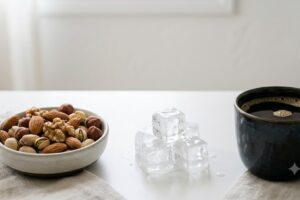
- Very hard foods such as ice, hard candy, nuts, and popcorn kernels, which can chip the surface
- Sticky and chewy foods like caramel, toffee, and taffy, which tug at the bonded edges
- Tough, hard-to-chew items like bone-in meats and crusty bread when bitten with the front teeth
- Highly pigmented foods and drinks including coffee, red wine, dark sodas, and berries
- Acidic foods and beverages such as citrus and vinegar-based dishes, which can weaken the bond over time
None of this means you can never enjoy these foods again. Cutting hard fruits and crunchy vegetables into small pieces, chewing with your back teeth, and enjoying staining foods in moderation all let you keep your favorites on the menu while protecting your smile.
If you are considering a smile makeover and want guidance tailored to your habits, schedule a veneers consultation with Magnolia Family Dental Care and let our team design results built to last.
The Staining Question: Coffee, Wine, and More
One of the most common worries is whether veneers will yellow like natural teeth. Porcelain is impressively resistant to stains, which is exactly why so many people choose it. The catch is that the natural teeth around the veneers and the thin line of cement at the edges are not stain proof. Over years of heavy coffee, tea, and red wine, that margin can darken and make an otherwise bright veneer look mismatched.
The fix is easy and does not require giving anything up. Drinking darker beverages through a straw, rinsing with water afterward, and keeping up with regular professional cleanings all help limit staining and keep your smile uniform. Tobacco is worth avoiding too, since it stains the bonding material and the surrounding teeth.
Smart Habits That Protect Your Veneers
Beyond food, a few daily habits make a real difference. Brushing twice a day with a non-abrasive fluoride toothpaste and flossing daily protects both the veneer edges and the bonding that holds everything in place. Avoid using your teeth as tools to open packages, and never chew on pens, fingernails, or ice. If you grind your teeth at night, a custom mouthguard shields your veneers from cracking under pressure.
These small choices have a big payoff. With consistent care, veneers commonly last a decade or longer, and protecting that lifespan keeps you from needing earlier and costlier replacements.
Why Choose Magnolia Family Dental Care
Patients across South Tulsa and the neighboring communities of Bixby, Jenks, Owasso, and Broken Arrow trust our team to create and maintain veneers that look natural and hold up beautifully. Here is what sets our care apart:
- Dr. Melissa Jackson, DDS designs each smile to match your features and your goals.
- We use high-quality materials and precise placement for durable, lifelike results.
- Every patient receives clear, practical guidance on caring for veneers day to day.
- We are a warm, family-friendly practice right here in South Tulsa, Oklahoma.
Conclusion
Understanding what foods to avoid with veneers comes down to a few common-sense limits. Be gentle with hard and sticky foods, enjoy staining drinks in moderation and rinse afterward, and protect the bond with good daily habits and regular cleanings. Veneers are designed to let you eat and smile with confidence, and a little mindfulness keeps them bright and intact for years. When you are ready to create or care for a smile you love, the team at Magnolia Family Dental Care in South Tulsa is here to help.
Ready to transform your smile with veneers that fit your life? Book your appointment with Magnolia Family Dental Care today.
Frequently Asked Questions
Can you eat normally with veneers?
Yes, most people return to a nearly normal diet with veneers, since they are designed to handle everyday chewing. The main adjustments are biting hard foods with your back teeth, cutting tough items into smaller pieces, and going easy on very hard or sticky foods. With those small habits, your favorite meals stay on the menu.
Do veneers stain from coffee or red wine?
Porcelain veneers resist staining very well, so the veneer surface itself usually stays bright. However, the bonding line at the edges and your surrounding natural teeth can darken over time with heavy coffee, tea, or red wine. Using a straw, rinsing with water, and getting regular cleanings help keep everything looking uniform.
Can you bite into an apple with veneers?
It is safer to slice apples and other hard fruits into pieces rather than biting straight in with your front teeth. Direct biting force on the front teeth is what most often chips or loosens a veneer. Chewing with your back teeth spreads the pressure and protects the bond.
Can you eat steak with veneers?
Permanent porcelain veneers can usually handle steak and other meats, as long as you chew carefully and avoid biting close to bones. Cutting meat into smaller, manageable pieces reduces strain on the front veneers. Be extra cautious with very tough or chewy cuts.
How long do veneers last with proper care?
With good oral hygiene and mindful habits, veneers commonly last around ten to fifteen years, and sometimes longer. Lifespan depends on the material, your daily care, and whether you grind your teeth or chew hard objects. Regular dental checkups help catch small issues before they shorten that lifespan.
Sorry, the comment form is closed at this time.