
19 Jul Can You Whiten Crowns and Veneers? What to Know
If you are hoping to whiten crowns and veneers along with your natural teeth, it helps to understand why these restorations respond very differently to bleaching. Unlike natural enamel, porcelain and composite materials do not lighten with whitening products, which can lead to an uneven smile if you are not prepared. For South Tulsa patients, a little planning makes all the difference.
This does not mean a bright, even smile is out of reach. It simply means the strategy is different when restorations are involved. Knowing how whitening works, and what your realistic options are, helps you avoid disappointment and get the beautiful, uniform results you want.
Restorations are designed to resist staining and hold their shade, which is wonderful for daily life but frustrating when you want a whiter smile. The key is to approach whitening with a clear plan rather than trial and error. With the right sequence and professional guidance, you can enjoy a bright, even smile that includes both your natural teeth and your restorations.
Can You Whiten Crowns and Veneers With Bleaching Gels?
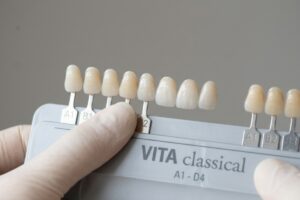
The short answer is no. Traditional whitening products work by breaking up stains within the porous structure of natural enamel, allowing peroxide to lighten the tooth. Porcelain and composite materials used in crowns and veneers are non-porous, so the whitening agents have nothing to penetrate.
As a result, bleaching gels simply pass over these restorations without changing their color. If you whiten your natural teeth while wearing crowns or veneers, the natural teeth may brighten while the restorations stay the same shade, creating a mismatch that is very noticeable when you smile.
Why Restorations Do Not Change Color
Porcelain is prized in cosmetic dentistry precisely because it resists stains and holds its color beautifully over time. That same quality is what makes it immune to whitening. The color is essentially locked in when the restoration is crafted in the lab.
Composite materials, like those used in dental bonding, behave similarly and do not respond to bleaching either. This is actually a benefit in daily life, since your restorations resist the coffee and wine stains that affect natural teeth, but it does mean whitening cannot brighten them further.
Smart Ways to Get an Even Smile
The good news is there are several effective strategies for achieving a bright, uniform smile when you have restorations. The right choice depends on the age and condition of your crowns or veneers and your overall goals.
- Whiten your natural teeth first, then match new restorations to that brighter shade.
- Have restorations professionally cleaned and polished to remove surface stains.
- Replace older, discolored restorations with new ones in a lighter shade.
- Plan whitening before any new crown or veneer work begins.
- Ask your dentist about the ideal sequence for your specific case.
Keeping Crowns and Veneers Looking Their Best
While you cannot bleach restorations, you can keep them looking fresh with proper care. Brushing with a soft-bristled brush and a non-abrasive toothpaste protects the surface glaze, and professional cleanings remove the surface film that can dull their shine.
It is best to avoid abrasive whitening toothpastes, which can scratch porcelain and composite over time. With gentle daily care and regular visits, your crowns and veneers can stay bright and natural looking for many years. Our blog shares more tips on caring for a beautiful smile.
Timing Matters When You Want Whiter Teeth
The most important takeaway is to think about timing. If whiter teeth are part of your goal, it is far easier to whiten your natural teeth first and then create restorations that match the new shade. Doing it in the reverse order often leaves you with restorations that no longer blend in.
A conversation with your dentist before any cosmetic work helps you map out the right sequence. Whether you are considering new veneers or refreshing an existing smile, professional whitening guidance ensures your final result looks seamless and natural.
Planning a Smile Makeover
If a brighter, more uniform smile is your goal, thinking of it as a coordinated plan rather than separate treatments leads to the best results. Whitening, bonding, veneers, and crowns each play a role, and the order in which they are done matters a great deal. Sequencing whitening before any new restorations helps everything blend together.
A thoughtful consultation is the starting point for any smile makeover. Your dentist can evaluate the shade and condition of your existing teeth and restorations, listen to what you want to change, and map out a step-by-step plan. This approach helps you avoid mismatched results and gives you a smile that looks bright, balanced, and completely natural.
Why Choose Magnolia Family Dental Care
At Magnolia Family Dental Care in South Tulsa, we help you plan a whitening and restoration strategy that actually works for your smile. Dr. Melissa Jackson carefully matches shades and advises on the right sequence so your natural teeth and restorations blend beautifully.
Our team combines a keen eye for detail with gentle, personalized care in a warm and welcoming office. Whether you want to brighten your teeth or update older restorations, we will guide you toward a bright, even, natural looking result.
Dreaming of a brighter, even smile? Contact our South Tulsa office today to schedule a cosmetic consultation and plan your whitening the smart way.
Conclusion
Can you whiten crowns and veneers? Not with traditional bleaching, because porcelain and composite materials do not absorb whitening agents. The path to an even smile is to whiten your natural teeth first, keep restorations clean and polished, and plan the timing carefully with your dentist.
If you are in Tulsa and want a bright, uniform smile that includes your restorations, Magnolia Family Dental Care is ready to help. Reach out today and let us design a plan that leaves your whole smile looking its best.
Frequently Asked Questions
Can you whiten porcelain veneers?
No, porcelain veneers cannot be whitened because the material is non-porous and does not absorb bleaching agents. Whitening products only affect natural enamel. To brighten veneers, they typically need to be professionally cleaned or replaced with a lighter shade.
Why won’t my crown whiten?
A crown will not whiten because it is made of porcelain or composite, which do not respond to peroxide-based whitening. These materials are designed to resist staining and hold their color. Only your natural teeth will change shade with whitening treatments.
How do you match a crown to whitened teeth?
To match a crown to whitened teeth, you whiten your natural teeth first and then have the crown made to match the new, brighter shade. Trying to match afterward is difficult because the crown’s color is fixed. Planning the sequence with your dentist is key.
Can you whiten crowns and veneers with baking soda?
No, baking soda will not whiten crowns or veneers and can actually be too abrasive for them. Abrasive products may scratch the surface glaze and dull the restoration. Gentle brushing and professional cleaning are safer ways to keep them bright.
What removes stains from veneers?
Surface stains on veneers are best removed by a professional dental cleaning and polishing rather than whitening. Daily brushing with a soft brush and non-abrasive toothpaste also helps prevent buildup. Deep discoloration may mean the veneer needs replacing.
Sorry, the comment form is closed at this time.