27 Jun How Long After Extraction Can I Eat? Your Recovery Timeline
One of the very first things patients want to know after a tooth comes out is how long after extraction can I eat, and the answer depends on protecting one small but mighty thing. At Magnolia Family Dental Care in South Tulsa, Oklahoma, we walk every patient through this because eating too soon, or eating the wrong things, is the most common reason a smooth recovery turns painful. The good news is that the timeline is predictable, the food list is more generous than you might fear, and a little patience in the first few days pays off with faster, more comfortable healing.
The First 24 Hours: Why Timing Matters So Much
The moment a tooth is removed, your body forms a blood clot in the empty socket. Think of that clot as a natural bandage. It shields the exposed bone and nerve endings and lays the groundwork for new tissue to grow. Almost everything you are told to do, or not do, in the first days after an extraction comes back to keeping that clot in place.
For the first few hours, while the area is still numb, it is best not to eat at all. Chewing on a numb cheek or tongue can cause accidental injury, and any pressure on the socket risks disturbing the clot before it stabilizes. Once the numbness wears off, you can begin with cool or lukewarm liquids and very soft foods, always chewing on the opposite side of your mouth.
How Long After Extraction Can I Eat? A Day-by-Day Look
Recovery is gradual, and rushing it is the main thing to avoid. Here is the general pattern most patients follow.
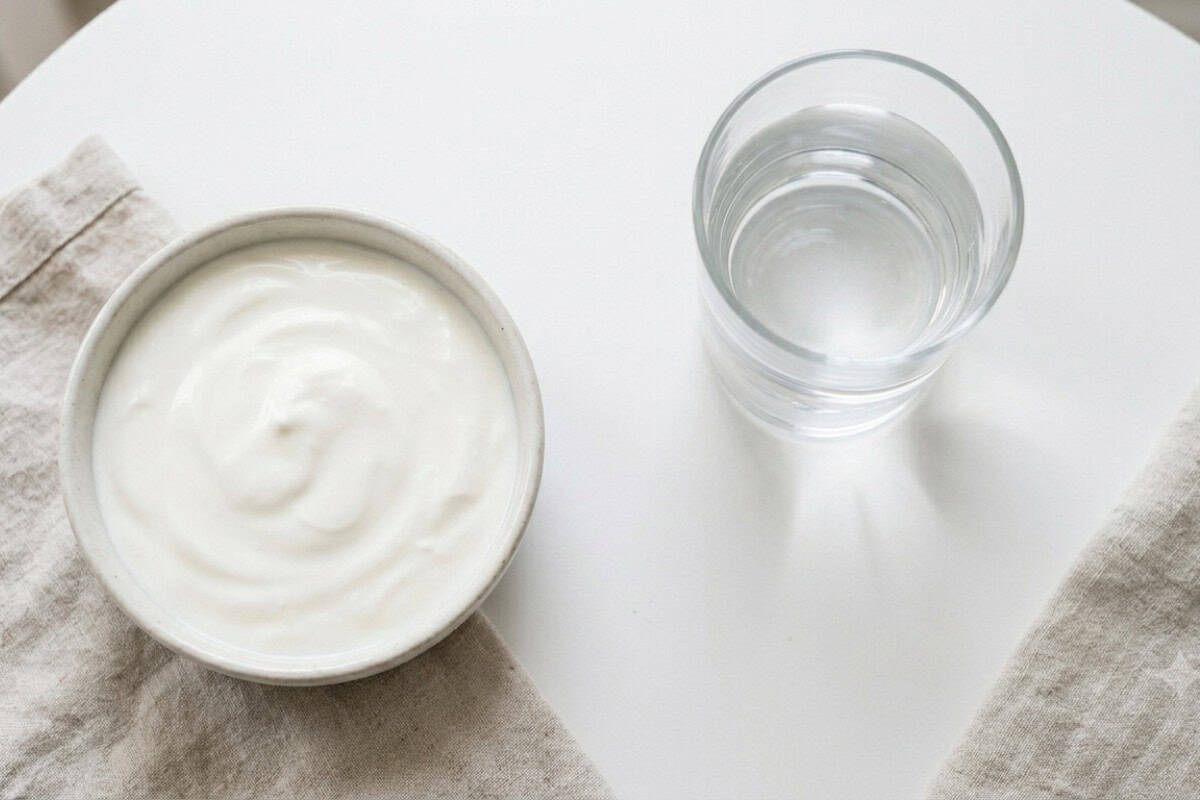
During the first 24 hours, stick to liquids and foods that need no chewing, such as yogurt, smoothies eaten with a spoon, applesauce, and lukewarm blended soups. From days two and three, you can add gently soft foods like scrambled eggs, mashed potatoes, oatmeal, and well-cooked pasta as comfort allows. By days four through seven, many people with a simple extraction can ease back toward firmer textures, while surgical extractions and wisdom teeth often need closer to a week or two. Most patients return to a normal diet within seven to fourteen days, depending on how the site is healing and how complex the procedure was.
The most reliable guide is your own comfort. If chewing causes sharp pain, swelling, or bleeding, that is your signal to step back to softer foods for another day or two. Listening to your body beats any fixed calendar.
What to Eat While Your Mouth Heals

The first week of healing actually leaves you plenty of options, and choosing nourishing soft foods helps your body repair tissue faster. Aim for items that are soft, moist, mild in flavor, and easy to manage without much chewing:
- Greek yogurt, cottage cheese, and protein-rich smoothies eaten with a spoon
- Scrambled eggs, mashed potatoes, and creamy oatmeal
- Well-cooked rice, soft pasta, and flaky, tender fish
- Lukewarm blended soups and broths without large chunks
- Mashed bananas, applesauce, and other soft fruit
Healing well takes more than just careful eating. If you have an upcoming extraction in South Tulsa, schedule a consultation with Magnolia Family Dental Care so we can build a recovery plan around your needs before the procedure ever begins.
Foods and Habits to Avoid
Just as important as what you eat is what you steer clear of, because the wrong choices can dislodge the clot and lead to a painful complication called dry socket. Hard, crunchy, and sticky foods like chips, nuts, popcorn, and chewy candy are off the table until the site is well healed. Spicy and acidic foods can sting an open wound, and small seeds or grains can lodge in the socket and cause trouble.
Beyond food, the suction created by straws can pull the clot loose, so drink from a cup with small sips for at least the first week. Carbonated and alcoholic drinks are best postponed as well. Finally, smoking is one of the strongest risk factors for dry socket, because both the suction and the chemicals in tobacco interfere with clot formation and slow healing. Avoiding tobacco for several days before and after your extraction meaningfully lowers your risk.
Why Choose Magnolia Family Dental Care
Patients in South Tulsa and the nearby communities of Bixby, Jenks, Owasso, and Broken Arrow choose our team because we treat recovery as part of the procedure, not an afterthought. Here is what you can expect:
- Dr. Melissa Jackson, DDS provides clear, personalized aftercare instructions tailored to your extraction.
- We take time to answer your questions about eating, healing, and what is normal versus what needs attention.
- Our office offers gentle, comfort-focused care for nervous and routine patients alike.
- We are conveniently located in South Tulsa, Oklahoma, and welcome the whole family.
Conclusion
So, how long after extraction can I eat? Start with liquids and soft foods within the first day, progress through softer textures over the following several days, and expect to return to normal eating within one to two weeks as comfort allows. Protecting the blood clot, avoiding straws and tobacco, and easing back into firmer foods slowly are the keys to a smooth recovery. If you have questions before or after your procedure, the team at Magnolia Family Dental Care in South Tulsa is ready to help you heal comfortably and get back to the foods you love.
If you are facing a tooth removal and want a team that guides you through every step, book your appointment with Magnolia Family Dental Care today.
Frequently Asked Questions
How long after a tooth extraction can I eat solid food?
Most people can begin testing soft solids around days three to five if pain and swelling are minimal, and return to a normal diet within seven to fourteen days. Simple extractions tend to heal faster than surgical or wisdom tooth removals. Always go by comfort, and back off if chewing hurts.
Can I eat rice after a tooth extraction?
Soft, well-cooked rice is usually fine after the first 24 to 48 hours, as long as it is not too hot or sticky. Chew on the side away from the extraction site and take small bites. If any grains feel like they could lodge in the socket, wait a little longer.
How long until I can stop worrying about dry socket?
Dry socket risk is highest in the first few days and generally fades once the site is well healed, often around seven to ten days. Protecting the clot by avoiding straws, smoking, and vigorous rinsing during this window is the best prevention. Ask your dentist when they expect you to be fully healed.
Can I drink coffee after a tooth extraction?
It is best to avoid coffee for the first day or two, because heat can disturb the clot and the sipping or suction motion can dislodge it. When you do return to coffee, let it cool to lukewarm and drink from a cup rather than through a straw. Cold water is the safest choice early on.
When can I eat normally after wisdom teeth removal?
Wisdom tooth extractions involve more tissue and often stitches, so normal eating usually returns closer to ten to fourteen days, sometimes longer. Introduce firmer foods gradually and keep chewing away from the surgical sites. If discomfort lingers, stay with softer textures a few more days.
Sorry, the comment form is closed at this time.