
12 Jul How Long After Fluoride to Eat? Tips From a Tulsa Dentist
If you are wondering how long after fluoride you should wait to eat, most dentists recommend giving the treatment at least thirty minutes to work before your next meal. That short window lets the fluoride bond with your enamel and deliver its full protective benefit. For South Tulsa families, understanding this simple rule helps every fluoride visit count.
Fluoride treatments are quick, painless, and one of the most effective ways to strengthen teeth against decay. Knowing what to eat, what to avoid, and how long to wait afterward ensures you get the most out of each application and keep your smile healthy between checkups.
Fluoride treatments take only a few minutes, yet the protection they provide can last for months. Because the timing of your first meal afterward affects how well the treatment works, it is worth understanding the simple rules before you leave the office. The guidance below applies to both children and adults across South Tulsa, and a few thoughtful choices right after your appointment help you get every bit of value from the visit.
How Long After Fluoride to Eat and Drink Safely
The standard guidance is to wait at least thirty minutes before eating or drinking after a professional fluoride treatment. During that time, the fluoride continues to absorb into the outer layer of your teeth, helping to remineralize and reinforce the enamel that protects them.
If your dentist applied a fluoride varnish, the instructions may be slightly different, since varnish hardens on contact and often allows you to eat soft foods sooner. Your dental team will give you specific directions, so it is always best to follow the exact timing they recommend for your treatment.
What to Avoid Right After Treatment
Even after the initial thirty minutes, a few foods and drinks are worth avoiding for several hours so the fluoride can keep doing its job. Being gentle with your teeth right after treatment protects the fresh layer of protection.
- Hot foods and beverages that can soften a fresh varnish.
- Crunchy or hard items like chips, nuts, and raw vegetables.
- Acidic foods and drinks such as citrus, soda, and juice.
- Sticky candies that can pull at treated surfaces.
- Alcohol-based mouthwash for the rest of the day.
What You Can Eat After Fluoride
Once the waiting period is over, soft and neutral foods are the friendliest choices. Think yogurt, mashed potatoes, bananas, soft bread, eggs, and smoothies without added acid. Room-temperature water is perfectly fine and keeps you hydrated without disturbing the treatment.
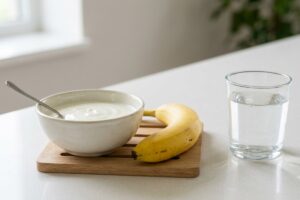
Sticking with these gentle options for the first few hours gives the fluoride time to fully set. By the next day, you can return to your normal diet with the added benefit of stronger, better-protected teeth.
Why Fluoride Matters for Your Teeth
Fluoride is a mineral that helps repair the early damage acids cause to enamel, which is why it is such a powerful cavity fighter. Community water fluoridation alone reduces cavities by about twenty-five percent in children and adults, and in-office treatments deliver an extra concentrated boost.
The Centers for Disease Control and Prevention has praised water fluoridation as one of the great public health achievements of the last century. Professional treatments build on that everyday protection, making them especially valuable for children, people prone to decay, and anyone with sensitive teeth. You can read more prevention tips on our blog.
How Often Should You Get Fluoride Treatments
Most people benefit from a professional fluoride treatment during their routine cleanings, typically every six months. Patients at higher risk for cavities may need them more often, which your dentist can determine based on your history and oral health.
Between visits, using a fluoride toothpaste and drinking fluoridated tap water keeps the protection going. If you are unsure how often you should schedule a fluoride treatment, your Tulsa dental team can create a plan tailored to your needs.
Fluoride for Every Age
Fluoride is not just for children, even though young smiles benefit enormously from it during the cavity-prone years. Adults gain protection too, especially those with receding gums, a history of cavities, dry mouth, or many existing restorations. Older adults in particular can develop decay on exposed root surfaces, where fluoride offers valuable defense.
For families in Tulsa, professional fluoride treatments during regular checkups are a simple way to protect everyone at once. Pairing in-office treatments with fluoride toothpaste and fluoridated tap water at home creates around-the-clock protection. Your dentist can recommend the right frequency for each family member based on their individual risk and needs.
Why Choose Magnolia Family Dental Care
At Magnolia Family Dental Care in South Tulsa, prevention is at the heart of what we do. Dr. Melissa Jackson and our team make fluoride treatments quick and comfortable for patients of every age, and we take time to explain simple aftercare so you know exactly what to do.
We love helping Tulsa families build habits that keep cavities away for good. From gentle cleanings to personalized prevention plans, our welcoming office is a place where your whole family can feel at ease while protecting their smiles.
Ready to give your smile extra protection? Contact our South Tulsa team today to schedule a cleaning and fluoride treatment for you and your family.
Conclusion
So, how long after fluoride should you wait to eat? Around thirty minutes is the general rule, followed by a few hours of gentle, non-acidic foods to let the treatment fully set. That small pause is well worth the stronger, more cavity-resistant teeth you get in return.
If you are in Tulsa and due for a checkup, the friendly team at Magnolia Family Dental Care is ready to help you and your family stay protected. Book your visit today and keep your smiles healthy for years to come.
Frequently Asked Questions
How long after fluoride treatment can you eat?
You should generally wait at least thirty minutes after a fluoride treatment before eating or drinking. This gives the fluoride time to absorb into your enamel and provide full protection. Your dentist may adjust the timing depending on the type of fluoride used.
Can I drink water after fluoride treatment?
It is best to wait about thirty minutes before drinking, though your dentist may allow small sips of plain water sooner. Water is gentle and will not stain, but waiting helps the fluoride absorb fully. Always follow the specific instructions you are given.
What can’t you eat after fluoride?
For a few hours after treatment, avoid hot, crunchy, acidic, and sticky foods, along with alcohol-based mouthwash. These can interfere with the fresh fluoride layer or soften a varnish. Soft, neutral foods are the safest choice during that window.
Why do you have to wait 30 minutes after fluoride?
The thirty-minute wait allows fluoride to bond with and absorb into the tooth enamel. Eating or drinking too soon can wash it away before it fully works. This brief pause maximizes the cavity-fighting benefit of the treatment.
Can I brush my teeth after a fluoride treatment?
Most dentists recommend waiting until the next day to brush after a fluoride varnish so it stays on the teeth longer. For other fluoride types, you may be able to brush sooner. Follow the aftercare guidance your dental office provides.
Sorry, the comment form is closed at this time.