27 Jun Is It OK to Swallow Fluoride? What Every Parent Should Know
Many parents and curious brushers ask the same thing at the bathroom sink: is it ok to swallow fluoride, or should every last bit be spit out? At Magnolia Family Dental Care in South Tulsa, Oklahoma, this question comes up almost as often as kids fight over the toothpaste flavor. The short, reassuring answer is that swallowing a small, accidental amount during brushing is generally harmless for most people, while swallowing large amounts, especially repeatedly or by young children, is where the real caution lies. Understanding the difference helps you keep your family’s smiles strong and safe.
What Fluoride Is and Why It Helps
Fluoride is a naturally occurring mineral found in water, soil, and many foods. In dentistry, it is one of the most effective tools we have for preventing cavities, which is why most toothpaste and many public water supplies contain it. According to public health agencies, fluoride reduces tooth decay by roughly a quarter in both children and adults by strengthening the outer tooth surface and helping reverse the earliest signs of decay.
The key thing to understand is that fluoride works best topically, meaning when it touches the surface of your teeth as you brush. It is not something your body needs to swallow to gain the benefit. That distinction is the heart of the whole question.
Is It OK to Swallow Fluoride? Separating Safe From Risky
So, is it ok to swallow fluoride in the tiny amounts left behind after brushing? For healthy older children and adults, an occasional swallow is unlikely to cause any harm. Toothpaste is designed to coat and protect your enamel, not to be eaten, but a small amount that slips down now and then is not a cause for alarm.
The picture changes with quantity and frequency. Swallowing large amounts of fluoride toothpaste, particularly day after day, can lead to stomach upset and, over the long term, other health concerns. This is why toothpaste tubes carry a do-not-swallow note and why the simple habit of spitting after brushing matters. The goal is to enjoy fluoride’s protective effect on the teeth without taking in more than your body should.
Children Need Extra Care
Young children deserve closer attention, because they often swallow toothpaste while they are still learning to spit, and their developing teeth are more sensitive to excess fluoride. Taking in too much fluoride during the tooth-forming years, generally before age eight, can cause dental fluorosis, which usually appears as faint white marks on the teeth. In its common, mild form it is purely cosmetic and does not harm dental function, but it is still worth preventing.

A few age-based habits make a real difference:
- For children under three, use only a smear about the size of a grain of rice.
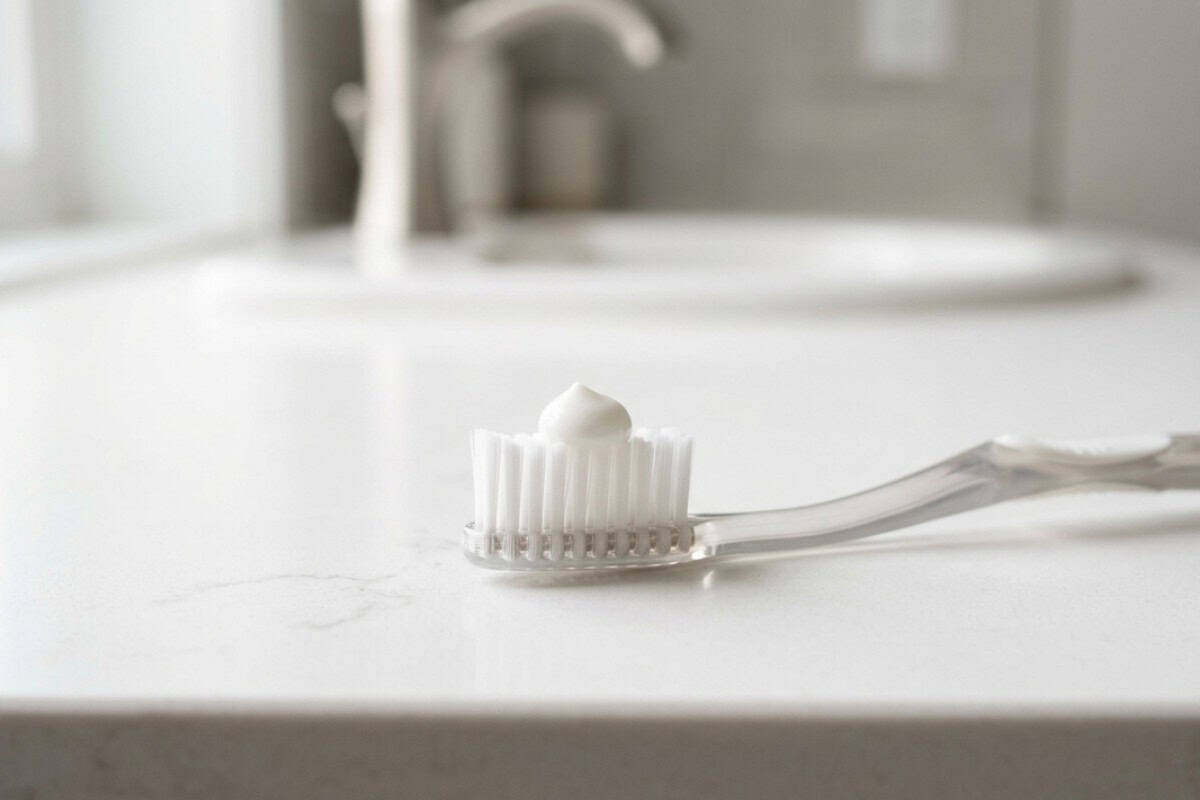
- For children ages three to six, use a pea-sized amount of fluoride toothpaste.
- Supervise brushing and remind children to spit, not swallow.
- Store toothpaste out of reach so it is not eaten straight from the tube.
Keeping your child’s checkups on schedule is one of the easiest ways to stay ahead of cavities and fluorosis alike. Schedule a family checkup with Magnolia Family Dental Care and let us tailor a prevention plan for every age in your household.
What to Do If Too Much Is Swallowed
Accidents happen, and most are minor. If a child swallows more than a pea-sized amount, offering milk or another calcium-containing snack can help, because calcium binds with fluoride and eases stomach upset. If a large amount is swallowed, or if you are unsure how much, contact poison control right away rather than trying to manage it alone. Their guidance is free, available around the clock, and tailored to your child’s age and weight.
It also helps to know the everyday signs of too much fluoride at once, which tend to be nausea, an upset stomach, or vomiting. These usually pass quickly, but persistent or severe symptoms always warrant a call for professional advice.
What the Research Says
If you have read worrying headlines, it helps to look at the broader evidence. A growing body of research confirms that fluoride toothpaste is safe and effective when used as directed, and that the main risk from swallowing comes down to dose. The same studies underline why age-appropriate amounts and supervised brushing for young children are so important. In other words, fluoride is a proven cavity fighter, and the simple act of using the right amount and spitting afterward keeps it firmly in the safe zone.
Why Choose Magnolia Family Dental Care
Families across South Tulsa and the nearby communities of Bixby, Jenks, Owasso, and Broken Arrow rely on our team for honest, practical guidance on fluoride and everyday oral health. Here is what you can expect:
- Dr. Melissa Jackson, DDS offers clear, judgment-free answers to your family’s dental questions.
- We provide preventive care and fluoride guidance tailored to each child’s age and needs.
- Our office is gentle and welcoming for kids and nervous patients alike.
- We are proud to serve families right here in South Tulsa, Oklahoma.
Conclusion
So, is it ok to swallow fluoride? A small, occasional swallow during brushing is generally fine for older children and adults, while large or repeated amounts, especially in young children, are what you want to avoid. Use the right amount for each age, encourage spitting, store toothpaste safely, and reach out to poison control if a big amount is ever swallowed. With those simple steps, fluoride stays exactly what it is meant to be, a powerful and safe ally against cavities. For personalized guidance, the team at Magnolia Family Dental Care in South Tulsa is always glad to help.
Want a dental home that helps your whole family build healthy habits early? Book your visit with Magnolia Family Dental Care today.
Frequently Asked Questions
What happens if you swallow fluoride toothpaste?
Swallowing a small amount of fluoride toothpaste while brushing is usually harmless and may cause nothing at all. Swallowing a larger amount can lead to an upset stomach, nausea, or vomiting, which typically passes on its own. Repeated swallowing of large amounts over time is what carries more serious risk.
How much fluoride is dangerous to swallow?
The risk depends on body weight and the amount and strength of the product, so a small smear of toothpaste is very different from eating a large portion of the tube. Everyday accidental swallowing during brushing is generally not dangerous. For any large or uncertain amount, contacting poison control gives the safest, most specific answer.
Is it safe for adults to swallow fluoride?
For healthy adults, occasionally swallowing the trace of toothpaste left after brushing is not considered harmful. Toothpaste is not meant to be eaten, though, so spitting it out is still the right habit. Consistently swallowing large amounts is what can lead to problems over time.
What should you do if a child swallows too much toothpaste?
If a child swallows more than a pea-sized amount, offering milk or a calcium-rich snack can help settle the stomach, since calcium binds with fluoride. For a large amount, or if you are unsure how much was swallowed, contact a poison control center right away and do not try to induce vomiting. Watch for nausea or vomiting and seek care if symptoms are severe.
Is the fluoride in tap water safe to drink?
Community water is fluoridated at a low, carefully monitored level intended to prevent cavities while minimizing any risk. Public health agencies consider this level safe and effective for people of all ages. If you are unsure about your local water, your water provider or dentist can share the fluoride concentration.
Sorry, the comment form is closed at this time.