

23 Jul What Causes a Tooth to Crack? Common Reasons Explained
Understanding what causes a tooth to crack can help you protect your smile long before a small problem turns into an emergency. Teeth are built to handle years of chewing, but certain habits, pressures, and changes over time can push them past their limits. For South Tulsa patients, recognizing these risk factors is the first step toward prevention.
Cracks can range from harmless surface lines to serious splits that threaten the nerve inside a tooth. Knowing why they happen makes it easier to avoid them and to seek prompt care when something does not feel right. Let us look at the most common culprits behind cracked teeth.
Some cracks form slowly over years, while others happen in a single unlucky moment. Either way, the causes are usually preventable once you know what to watch for. By pairing awareness with a few protective habits, you can keep your teeth strong and reduce the odds of an unexpected trip to the dentist. The sections below break down each major cause and what you can do about it.
What Causes a Tooth to Crack Most Often
One of the leading causes of a tooth to crack is bruxism, the clenching and grinding many people do without realizing it, especially during sleep. This constant pressure slowly weakens enamel until a single hard bite finally causes a fracture.
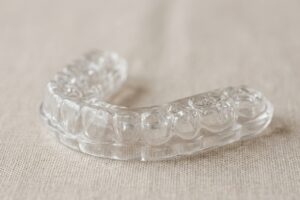
Nighttime grinding is often tied to stress, which is why cracked teeth tend to appear during difficult or busy seasons of life. Because grinding happens unconsciously, many patients are surprised to learn it is behind their damaged teeth. A custom night guard is one of the most effective defenses against this kind of wear.
Biting Hard Foods and Objects
Everyday chewing rarely harms teeth, but biting into very hard items can crack even a healthy tooth in an instant. Certain habits deserve special caution because they concentrate force on a small area of the tooth.
- Chewing ice cubes or hard candy.
- Biting unpopped popcorn kernels.
- Crunching on nuts, bones, or fruit pits.
- Using teeth to open packaging or bottles.
- Chewing pens, pencils, or fingernails.
Large Fillings and Weakened Teeth
A tooth with a large filling has less natural structure to absorb chewing forces, which makes it more prone to cracking over time. Older fillings can also expand and contract with temperature changes, gradually stressing the surrounding tooth until it fractures.
Teeth that have had root canals can become more brittle as well, which is why dentists often recommend crowns to protect them. If you have several large or aging restorations, regular checkups help your Tulsa dentist spot weakened teeth before they crack and reinforce them proactively.
Age, Temperature, and Trauma
Teeth naturally accumulate tiny stresses over decades, so people over fifty experience cracked teeth more frequently. Years of chewing, along with countless hot and cold cycles from food and drink, cause microscopic wear that eventually adds up to visible fractures.
Sudden trauma is another obvious cause, whether from a sports injury, a fall, or an accidental blow to the face. Even a rapid shift from hot coffee to cold water can stress enamel. Because stress and clenching often play a hidden role, the American Association of Endodontists notes that many cracks trace back to stress related grinding.
How to Protect Your Teeth From Cracks
The best defense is a combination of good habits and regular dental care. Wearing a night guard if you grind, wearing a sports mouthguard during athletics, and avoiding hard foods all reduce your risk significantly. Managing stress can also ease unconscious clenching.
Routine exams let your dentist catch early warning signs and strengthen vulnerable teeth before they break. For more prevention tips, our blog is a great resource, and if you already have a cracked tooth, prompt treatment keeps the damage from spreading.
Recognizing an Early Crack
Catching a crack early can save a tooth, so it helps to know the subtle signs. Sharp pain when biting that fades quickly, sensitivity to hot or cold in one specific spot, and discomfort that is hard to pinpoint are all common clues. Some cracks are invisible to the eye and only reveal themselves through these fleeting symptoms.
If you notice any of these warning signs, it is wise to schedule an exam rather than wait. Your dentist can use special tests, magnification, and imaging to locate a crack that might otherwise go unnoticed. The earlier a crack is found, the more likely it is that a conservative treatment can protect the tooth before the damage deepens.
Why Choose Magnolia Family Dental Care
At Magnolia Family Dental Care in South Tulsa, we focus on prevention as much as treatment. Dr. Melissa Jackson takes time during every visit to look for signs of grinding, weakened fillings, and early cracks so problems can be addressed before they worsen.
We offer custom night guards, protective crowns, and gentle restorative care in a comfortable, welcoming setting. Our goal is to help you keep your natural teeth strong and healthy while treating any damage with a personal, unhurried approach.
Concerned about cracking or grinding? Contact our South Tulsa team today to schedule an exam and protect your teeth with a custom prevention plan.
Conclusion
So what causes a tooth to crack? Grinding, biting hard foods, large fillings, aging, and trauma are the most common reasons, and often several factors work together. Understanding these causes empowers you to protect your smile through smart habits and regular dental care.
If you are in Tulsa and want to safeguard your teeth or address a crack you have noticed, Magnolia Family Dental Care is here to help. Schedule your visit today and give your smile the protection it deserves.
Frequently Asked Questions
What is the most common cause of a cracked tooth?
Teeth grinding, or bruxism, is one of the most common causes of cracked teeth because it places constant pressure on the enamel. Biting hard foods and having large fillings are also frequent culprits. Often several factors combine to weaken a tooth over time.
Can stress cause teeth to crack?
Yes, stress can cause teeth to crack indirectly by triggering clenching and grinding, often during sleep. This unconscious pressure gradually weakens enamel until a tooth fractures. Managing stress and wearing a night guard can help reduce the risk.
Can you crack a tooth from grinding?
Grinding can absolutely crack a tooth, since the repeated force wears down and stresses the enamel over time. Eventually a hard bite can complete the fracture. A custom night guard is an effective way to protect teeth from grinding damage.
Why did my tooth crack for no reason?
A tooth that seems to crack for no reason often has hidden weaknesses, such as old fillings, microscopic wear from age, or nighttime grinding. Temperature changes and small stresses build up until the tooth fractures. A dentist can identify the underlying cause.
Are older teeth more likely to crack?
Yes, teeth become more prone to cracking with age because of decades of chewing, temperature cycling, and accumulated wear. People over fifty crack teeth more often than younger adults. Regular checkups help catch weakened teeth early.
Sorry, the comment form is closed at this time.