03 Aug Getting an Implant Years After Extraction: What Happens to Your Jawbone Over Time
The alveolar ridge that once held a tooth in place can lose up to fifty percent of its bone width within twelve months of extraction, based on published research on post-extraction bone remodeling. That single number explains most of the questions people bring to a consultation about getting an implant years after extraction: whether enough bone is still there, whether a graft will be needed, and whether waiting has closed the door on dental implants as an option. The honest answer is that timing changes the plan, not the outcome for most patients. Dr. Melissa Jackson and the team at Magnolia Family Dental Care in Tulsa, OK evaluate bone health at the first visit, whether a tooth has been missing for six months or sixteen years, and build a treatment plan around what the jaw looks like today rather than when the tooth was originally lost.
What Happens to Your Jawbone After a Tooth Is Lost
A natural tooth root does more than chew food. Every time you bite down, that root transmits pressure into the surrounding jawbone, and the bone responds by staying dense and maintaining its shape. Once a tooth is removed, that stimulation stops, and the bone in that specific socket begins to remodel and shrink. Oral and maxillofacial surgeons describe this process as a normal but permanent structural change, and their published guidance on bone preservation after extraction notes that the shrinkage is fastest in the months immediately following the procedure and continues, at a slower pace, for years afterward.
This is different from the short-term socket healing most people are familiar with. The soft tissue closes over within a few weeks, which is the same window covered in our guide to extraction recovery, but the bone underneath keeps changing shape long after the gums look fully healed. A socket that closed over smoothly at three weeks can still be narrower and flatter at three years, simply because nothing has replaced the root that used to keep that bone active.
Getting an Implant Years After Extraction in Tulsa: How Timing Affects the Plan
Getting an implant years after extraction is still routine for a large share of patients, but the amount of planning involved depends heavily on how long the space has been empty and what happened to the bone during that time. A tooth extracted last month is a very different situation from one missing since a car accident a decade ago, even though both patients may end up with the exact same implant and crown at the end of treatment. The table below outlines how these considerations typically shift as more time passes since the original extraction.
| Time Since Extraction | Is Bone Grafting Typically a Factor? | Planning Considerations |
|---|---|---|
| Immediately after extraction | Not usually, if the socket walls are intact and there is no infection | Immediate implant placement may be possible in the same visit as the extraction in select cases |
| 6 to 12 months later | Often, since this is the window when most ridge shrinkage happens | Bone width and height are checked closely; grafting may be added before or during placement |
| 1 to 5 years later | Frequently, as ridge width may already have narrowed by up to fifty percent | Imaging is used to measure remaining bone volume before choosing implant size and position |
| 5-plus years later | Very likely, since long-term resorption often narrows and flattens the ridge significantly | Grafting is frequently planned as its own step, with the implant placed once the graft has healed |
Notice that “likely to need grafting” is not the same as “cannot get an implant.” It simply means the bone needs to be rebuilt to the right width and height first, using techniques dentistry has relied on for decades.
Bone Grafting: When It Enters the Picture and When It Doesn’t
Bone grafting adds material to the jaw to rebuild the width or height an implant needs for a stable foundation. Cleveland Clinic’s overview of the procedure notes that a bone graft can take up to a year to fully heal, though initial healing happens within about a week, and that it is generally best to place the implant within six to twelve months of the graft healing so the new bone does not begin to shrink again on its own. That timeline matters just as much as the original extraction date, since a well-healed graft still behaves like living bone that needs to stay active.
Not every patient who waited years for an implant needs a graft, though. Bone loss is not perfectly uniform. Someone who lost a tooth to trauma but kept the surrounding teeth and gums healthy may retain enough ridge volume for a standard implant even after a long gap. Someone who lost a tooth to advanced gum disease may need grafting even a few months out, because the disease itself damaged the bone before the extraction ever happened. Once the implant is placed, whether or not a graft was needed first, it fuses to the surrounding bone through a process called osseointegration, the same biological process that made the original tooth root feel so stable.
What Happens at Your Consultation
A first visit for a possible implant, regardless of how long a tooth has been missing, generally covers the same core ground. This is where the plan gets personalized instead of guessed at from a chart.
- A visual exam of the gum tissue and remaining teeth in the area
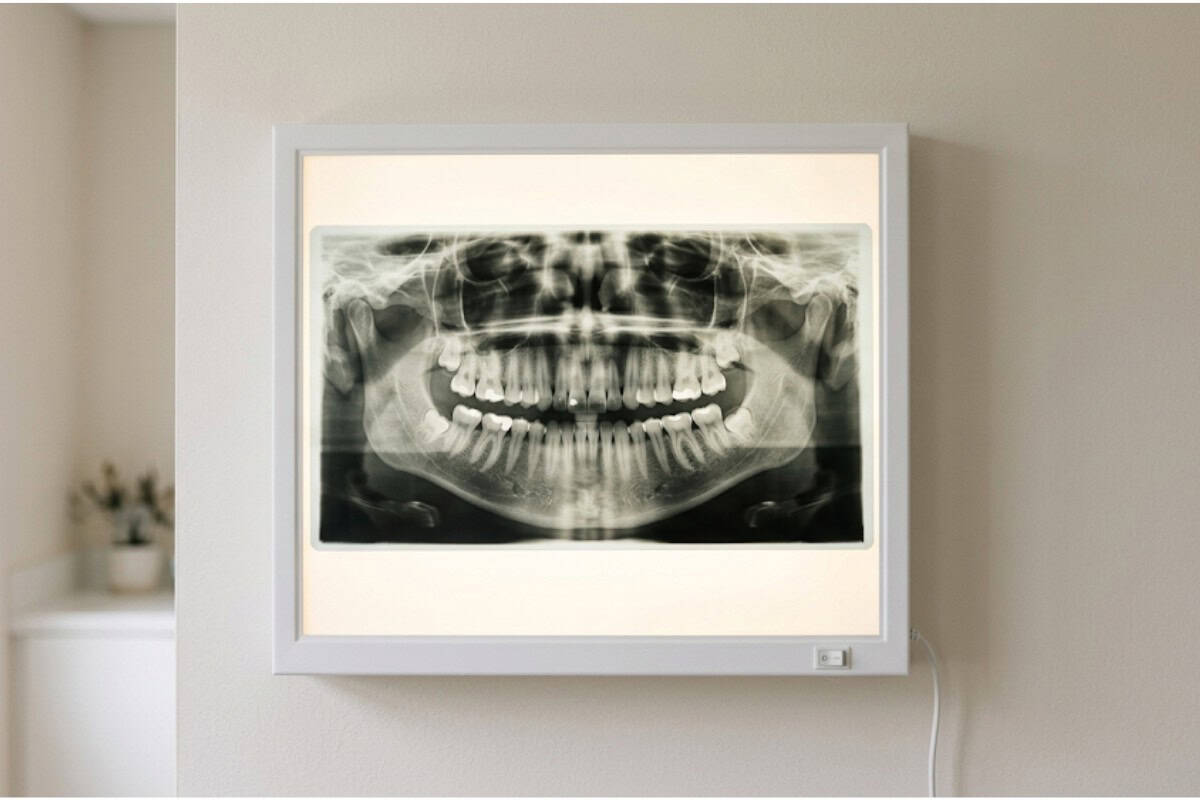
- Dental X-rays or 3D imaging to measure remaining bone width and height
- A review of medical history and any conditions that affect healing
- A discussion of whether grafting, and how much, would be part of the plan
- A realistic timeline based on your specific bone situation, not a generic average
Mayo Clinic’s description of the implant surgery process outlines these same stages: tooth removal if needed, bone grafting if needed, implant placement, a healing period for the bone to fuse around the post, and finally the crown. Getting an implant years after extraction usually just means the grafting step is more likely to be part of that sequence, not that any step is skipped or replaced.
Why Choose Magnolia Family Dental Care
A patient who has waited years to replace a missing tooth usually does not want to be handed off between two or three different offices to get the job finished. At Magnolia Family Dental Care in Tulsa, OK, the surgical placement of the implant and the restorative work that follows, the crown that actually looks and functions like a tooth, are both handled within the same practice rather than sending you out to a separate oral surgery office for one half of the treatment and a different office for the other. Bone health is checked as part of the initial consult itself, using X-rays taken on site, so the conversation about whether grafting is needed happens early, with Dr. Melissa Jackson reviewing the images directly rather than relying on a report passed between offices.
For patients coming in from Broken Arrow, Bixby, Jenks, Owasso, Sand Springs, or Catoosa, that also means fewer separate appointments scattered across different practices to complete one replacement tooth. If you would rather ask questions in person than keep researching, you can call us to talk through your specific situation before committing to anything.
Getting an Implant Years After Extraction: The Bottom Line
The single most useful thing to take from all of this is that time alone rarely disqualifies anyone from an implant. What changes is whether a bone graft becomes part of the plan and how many total appointments the process takes, not whether a fixed, permanent replacement tooth is possible. As a general rule of thumb, the longer a tooth has been missing, the more likely grafting will come up at the consultation, but even ridges that have narrowed significantly can usually be rebuilt with the right approach. For anyone in the Tulsa, OK area who has been putting this off simply because the tooth came out years ago, the more useful next step is a current exam rather than more guessing based on how much time has gone by.
If it has been years since the extraction and you are finally ready to deal with the gap, book an appointment with Magnolia Family Dental Care and find out exactly where your bone stands before deciding on next steps.
Ready to Find Out What Your Bone Looks Like Today? Schedule a consultation with Magnolia Family Dental Care to get a clear, individual answer.
Frequently Asked Questions
Can you get a dental implant years after a tooth extraction?
Yes, in most cases an implant can still be placed even after a tooth has been missing for years. The main factor is whether enough healthy jawbone remains, which is checked with an exam and imaging. If bone has narrowed, a graft can often rebuild it first.
Is bone grafting always necessary for an implant placed years after extraction?
No, grafting is not automatic just because time has passed. Some patients retain enough bone volume a decade or more after tooth loss, especially if nearby teeth and gums stayed healthy. Others need grafting because the ridge narrowed from years without root stimulation.
How long does the process take when getting an implant years after tooth loss?
Without grafting, placement and healing typically take a few months before a crown is attached. If grafting is needed first, it usually takes several months, sometimes up to a year, to fully integrate before the implant goes in. Timelines vary by individual healing and bone quality.
What happens to the jawbone if a missing tooth is never replaced?
The jawbone in that area gradually loses density without stimulation from a tooth root. Over years, this can change the jaw’s shape, shift nearby teeth, and make the face look sunken in that spot. The loss is progressive and continues the longer the gap is left.
Is there an age limit for getting a dental implant?
There is no strict upper age limit for dental implants; candidacy depends more on overall health and bone quality than age. Older adults with well-managed health and adequate jawbone are often good candidates. Uncontrolled chronic conditions or insufficient bone are the more common disqualifying factors.
Sorry, the comment form is closed at this time.