
10 Jul Is Dental Bonding Permanent or Temporary? A Tulsa Dentist Answers
Many patients want to know whether dental bonding is permanent or temporary, and the clearest answer is that it is a durable but not lifelong cosmetic solution. Bonding can beautifully repair chips, gaps, and stains, yet the material does eventually wear and may need refreshing. For South Tulsa families weighing their options, understanding that timeline makes it much easier to plan.
The good news is that bonding is one of the most affordable and least invasive ways to improve a smile. When cared for properly, it can look great for years. Knowing what affects its lifespan helps you get the most out of the investment and decide whether bonding is the right fit for your goals.
Cosmetic dentistry has come a long way, and today’s bonding materials are stronger and more natural looking than ever before. Still, no cosmetic treatment lasts forever, so setting the right expectations from the start helps you feel confident in your choice. Below, we break down exactly how long bonding tends to last, what shortens or extends its life, and how it compares with other popular options for South Tulsa smiles.
Is Dental Bonding Permanent or Temporary? The Real Answer
Dental bonding is best described as semi-permanent. A tooth-colored resin is applied to the tooth, shaped, and hardened with a curing light, creating a repair that bonds firmly to the surface. It is not designed to last forever, but it is also not something that washes away or falls off after a few days.
Because bonding usually does not require removing healthy enamel, it is considered reversible and can be adjusted or replaced later. That flexibility is part of its appeal, especially for younger patients or anyone who wants to test a cosmetic change without committing to a more permanent restoration.
How Long Does Dental Bonding Last?
On average, dental bonding lasts between three and ten years before it needs touching up or replacing. Front teeth that handle less chewing force often keep their bonding longer, while bonding on teeth used heavily for biting may wear sooner. Your habits play a large role in where you land in that range.
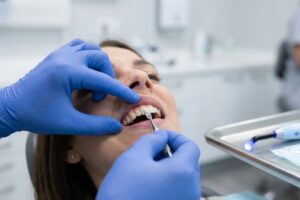
The composite resin used in bonding is strong, but it is slightly more porous than natural enamel, so it can pick up stains and small chips over time. Regular dental visits allow your Tulsa dentist to polish the bonding and catch minor wear before it becomes noticeable.
What Affects the Lifespan of Bonding
Several everyday factors influence how long your bonding stays looking its best. Being mindful of them can add years to your results and help you avoid early repairs.
- Chewing ice, pens, or fingernails, which can chip the resin.
- Using your teeth as tools to open packaging.
- Frequent coffee, tea, red wine, or tobacco, which stain the material.
- Nighttime grinding that stresses the bonded edges.
- Skipping routine cleanings that keep bonding polished and healthy.
Bonding Compared With Veneers and Crowns
Bonding is often compared with porcelain veneers, and each has its place. Veneers are custom shells that typically last longer and resist staining better, but they cost more and usually involve removing a thin layer of enamel. Bonding is quicker, gentler, and easier on the budget, which is why it is a favorite for minor cosmetic touch-ups.
As part of a broader cosmetic plan, many patients start with bonding and move to veneers or crowns later if they want a longer-lasting or more dramatic change. There is no single right answer, only the option that best matches your smile goals, your bite, and your lifestyle in Tulsa.
How to Make Your Bonding Last Longer
Caring for bonded teeth is refreshingly simple. Brush twice a day, floss daily, and keep up with professional cleanings so plaque and stains do not build up around the resin. A soft-bristled brush and non-abrasive toothpaste help protect the polished surface.
Beyond good hygiene, small habits make a big difference. Limiting deeply pigmented foods and drinks, wearing a night guard if you grind, and avoiding using your teeth to bite hard objects all extend the life of your bonding. For more smile-care tips, our blog is a helpful resource, and a checkup lets us assess whether your bonding needs a refresh.
Is Bonding Right for You?
Dental bonding is an excellent match for people who want to fix small imperfections without a major commitment. It works beautifully for chipped edges, minor gaps, small stains, and slightly misshapen teeth. Because it is quick and often completed in a single visit, it is popular with busy Tulsa families who want visible results without a long process.
Bonding may be less ideal for very large repairs or for teeth under heavy biting pressure, where a crown or veneer might hold up longer. The best way to know is a simple consultation, where your dentist can look at your teeth, discuss your goals, and recommend the option that gives you the most natural and durable result for your budget.
Why Choose Magnolia Family Dental Care
At Magnolia Family Dental Care in South Tulsa, we believe cosmetic dentistry should feel personal, not pushy. Dr. Melissa Jackson takes time to understand what you want from your smile and matches the bonding shade carefully so repairs blend seamlessly with your natural teeth.
Our team combines an artistic eye with gentle, unhurried care in a warm and welcoming office. Whether you need a single chip repaired or are exploring a fuller smile makeover, we will help you choose an approach that fits your goals and your budget.
Ready to refresh your smile with bonding? Contact our South Tulsa office today to book a cosmetic consultation and discover what bonding can do for you.
Conclusion
So, is dental bonding permanent or temporary? It sits comfortably in between, offering a long-lasting yet reversible way to improve your smile that typically holds up for several years with good care. Understanding that lifespan helps you set realistic expectations and enjoy your results with confidence.
If you are in Tulsa and curious whether bonding is right for you, the team at Magnolia Family Dental Care is ready to help. Schedule your visit and let us design a natural, beautiful repair that fits your life.
Frequently Asked Questions
How long does dental bonding last?
Dental bonding usually lasts between three and ten years before it needs a touch-up or replacement. Front teeth often keep bonding longer because they handle less chewing force. Good oral hygiene and avoiding habits like chewing ice can extend its lifespan.
Is dental bonding reversible?
Yes, dental bonding is generally reversible because it usually does not require removing healthy enamel. The resin is applied to the tooth surface and can be adjusted, repaired, or replaced later. This makes it a flexible choice for cosmetic changes.
Can dental bonding be removed?
Dental bonding can be removed or replaced by a dentist when it wears down, discolors, or the patient wants a different option. Because the natural tooth structure underneath is typically preserved, removal does not usually harm the tooth. A dentist handles this safely during an appointment.
Does dental bonding damage your teeth?
Dental bonding does not damage your teeth in most cases, since little or no enamel is removed during the procedure. The resin bonds to the existing tooth surface. Maintaining good hygiene keeps both the bonding and the underlying tooth healthy.
Does bonding stain over time?
Yes, bonding can stain over time because composite resin is slightly more porous than natural enamel. Coffee, tea, red wine, and tobacco are common culprits. Regular cleanings and limiting staining foods help keep bonded teeth looking bright.
Sorry, the comment form is closed at this time.